
Financial Times.com
Top US financial groups hold secret summits on long-termism
The world’s largest asset managers have held secret summit meetings to hammer out proposals for improving public company governance to encourage longer-term investment and reduce friction with shareholders.
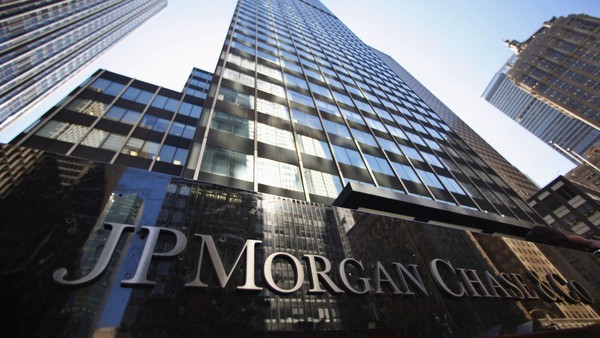
Jamie Dimon, chief executive of JPMorgan Chase, and Warren Buffett convened the sessions with the heads of BlackRock, Fidelity, Vanguard and Capital Group to work on a new statement of best practice that would cover the relationship between US companies and their investors.
The unusual collaboration comes at a time of rising shareholder activism and a raging debate about whether public markets demand short-term profits at the expense of long-term investment.
High quality global journalism requires investment.
In recent years, some private companies have shunned early public listings, and technology bosses such as Michael Dell have argued that equity markets are too focused on short-term gains. Some large technology groups have also gone public with dual-class share structures that limit shareholder rights in an effort to minimise the influence of activist hedge funds.
The group is discussing a statement of best practice on corporate governance. Discussions have focused on issues such as the role of board directors, executive compensation, board tenure and shareholder rights, all of which have been flashpoints at US annual meetings.
Mr Dimon, in particular, has reason to hope for a rapprochement between boards and long-term shareholders. He has faced personal criticism for combining the role of chairman and chief executive at JPMorgan, and at the company’s last two annual meetings, more than a third of its shareholders voted that he should split the roles.
As well as being a major player in capital markets, JPMorgan also has an asset management arm that is one of the US equity market’s largest investors, with $1.7tn in assets. Mr Buffett, a long-time friend of Mr Dimon, has eschewed many corporate governance norms at his company, Berkshire Hathaway.
High quality global journalism requires investment.
No participants agreed to be quoted on the initiative, which is not expected to come to fruition for several months. The asset managers hope to come up with a list of best practices that they will support at the companies they invest in.
The move comes amid a debate on shareholder rights and responsibilities and on the balance of power between investors, boards and management. Activist hedge funds with more than $100bn in assets have used their muscle to demand board changes and push companies to increase returns to shareholders, often through share buybacks.
The largest companies typically face a half-dozen or more votes from dissident shareholders at each annual meeting, on topics ranging from executive compensation to environmental policies and political lobbying.
An increasing number of US companies have also agreed this year to offer long-term shareholders the right to nominate their own candidates for board directors.
The volume of initial public offerings tumbled 42 per cent in the US last year despite the growing economy, as companies sought investors — including some traditional public markets investors — who were willing to buy shares even while they remained private.

No comments:
Post a Comment